Please enjoy reading this essay on holiness, written by guest writer, Han Morales!
“I am the Lord your God; consecrate yourselves and be holy, because I am holy.” (Leviticus 11:44)
What is it that today’s church is missing? Why has it been so easily infiltrated by liberalist theology and secularism?
What have we lost, and how can we recover it?
There are many answers, and at the same time, only one. The radical change that has taken place inside American and European congregations has hinged over one dying idea: the holiness of God.
Holiness: What is It?
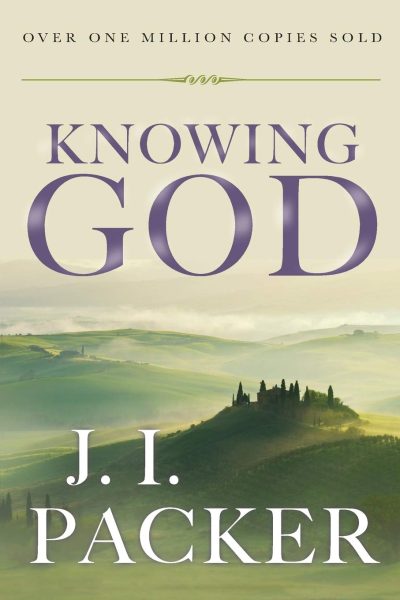
J. I. Packer has affected millions with his book, Knowing God, which encourages a personal pursuit of
God, rather than a ‘head-knowledge Christianity’. His exhortations remain powerful and true, but when it comes to an understanding of God, the modern-day church’s problem is as much in our heads as in our hearts. I’ve heard so many people puzzle over what holiness is, and still more people give it faulty or weak definitions. So what is holiness?
Set Apart
At its most essential, to be holy means to be set apart. It means to be drawn out, to be special, other. A study of the Pentateuch as a whole and the Exodus in particular will teach us what it means to be set apart.
First, the Israelites were marked as set apart by the blood of the lamb during the 10th plague. Then they were drawn out of Egypt – passing through the waters of the Red Sea. Finally they were given the Moral and Ceremonial law; laws which made it possible for God – himself completely other – to live with his chosen people.
The entire Exodus story is a reflection on God’s ‘apartness’, as it were, as we discover that we must too be set apart if we are to have communion with him.
Untouchable
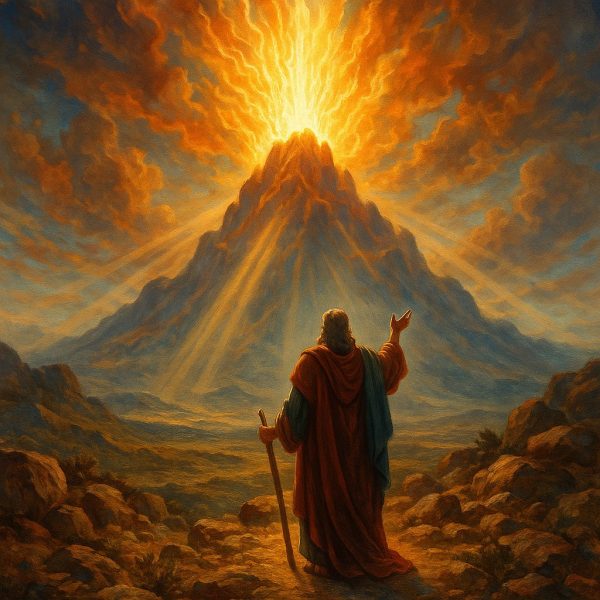
There’s another aspect that needs to be considered. When we say God is holy, we are emphasizing not only that he is utterly unique, but that he is untouchably so. God is undeniably different from us. But the nature of that difference is huge. When God descended on Mt. Sinai anyone who touched even the base of the mountain would be consumed. God’s holiness is just that – all consuming.
Pure
Leviticus is where we find the word ‘holy’ used more than any other place in the Bible. But why?
The answer has to do with the nature of God’s holiness. You see, there is one key reason why he is so untouchably set apart, and that is his purity.
Of course there are thousands of characteristics that make God who he is, but there is really only one that makes a close relationship with him all but impossible. Remember, God walked with Adam before the Fall (Genesis 3:11). It was sin that broke this fellowship, and made it impossible for us to co-exist with our Creator how he intended. It is the perfection of Jesus Christ that will reverse the effects of the Fall, but there was also an imperfect, temporary solution that God gave his covenant people, and that was the Ceremonial law.
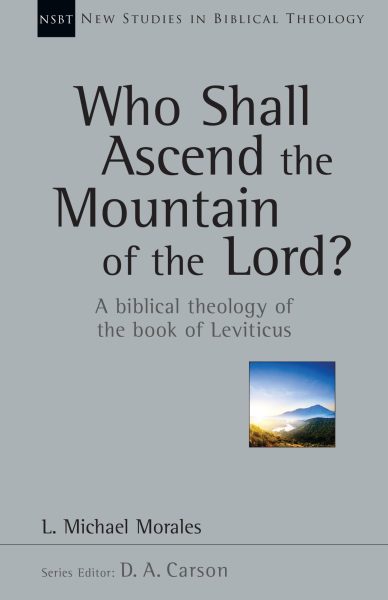
We think of Leviticus as a book of rules and regulations, and it is. But we tend to miss the big picture. The question asked by David, “Who shall ascend the mountain of the LORD?” (Psalm 24: 3-4) is really what the book is all about. It’s a discussion of God’s purity, and the purity we need if we are to commune with him.
The answer to that question of course looked forward to the advent of Christ, whose sinless perfection allowed his blood to make the sacrifice of even unblemished bulls and goats no longer necessary.
Be Holy
Today’s church skips past the holiness of God in its eagerness to get to the other attributes; his love, mercy, grace, patience, etc. These should never be downplayed. But from a logical standpoint, how can anyone appreciate salvation, and appreciate God’s mercy, if they do not first appreciate his holiness?
When we rightly understand the attributes of God, and how his holiness permeates each one, it will not only give us a deeper gratitude for our great salvation, but it will also leave us with a new perspective on Christianity in general.
Understanding God’s holiness will shape the way we worship him. It will change the way we view his commands. It will keep us from the great error of the church today; that of minimizing God’s law. Were God’s people today to return to the concept of holiness, it would result in a churchwide renewal of piety. And what is piety but a reflection of God’s holiness?